Lambeth Council rules for hazardous waste from cleaners: what cleaners need to know
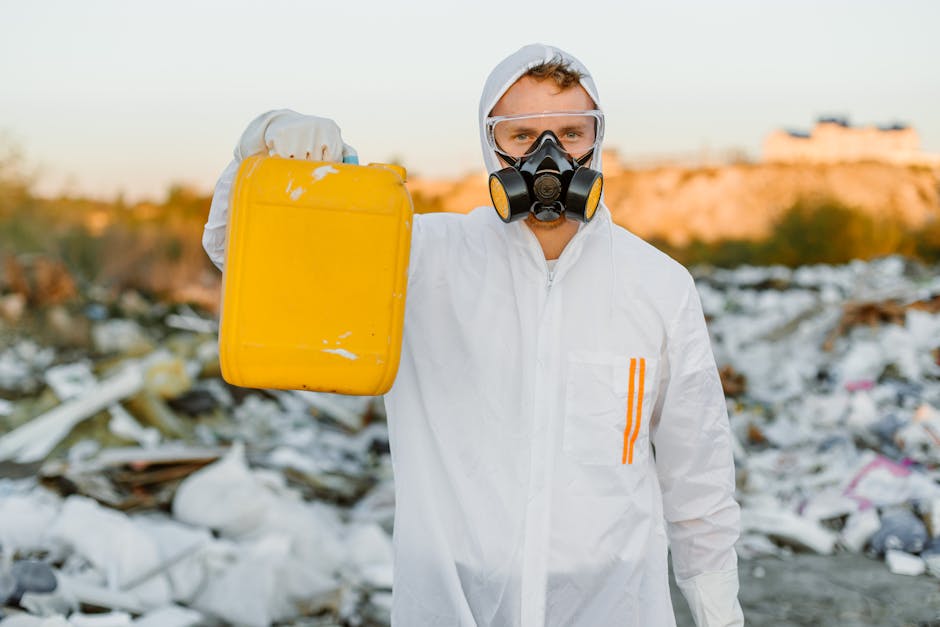
If you clean homes, offices, flats, or post-build sites in Lambeth, hazardous waste is one of those subjects that can trip people up fast. A bottle of bleach, an old solvent, a pesticide spray, a fluorescent tube, a paint tin with residue, or a broken aerosol can all look like ordinary cleaning leftovers until they suddenly are not. The Lambeth Council rules for hazardous waste from cleaners are really about making sure these materials are handled, stored, moved, and disposed of without putting people, property, or the environment at risk.
That sounds straightforward enough. In practice, it can be messy. Different jobs create different waste streams, and a cleaner may not always be the person who decides what happens next. This guide breaks the subject down in plain English so you can spot hazardous waste, reduce mistakes, and choose a safe, sensible route for disposal. If you want the broader context around safe working too, it can help to read our health and safety policy and our notes on recycling and sustainability.
Truth be told, this is one of those topics people only think about after something has already gone wrong. Better to get ahead of it.
Table of Contents
- Why Lambeth Council rules for hazardous waste from cleaners matters
- How Lambeth Council rules for hazardous waste from cleaners works
- Key benefits and practical advantages
- Who this is for and when it makes sense
- Step-by-step guidance
- Expert tips for better results
- Common mistakes to avoid
- Tools, resources and recommendations
- Law, compliance, standards, or best practice
- Options, methods, or comparison table
- Case study or real-world example
- Practical checklist
- Conclusion
- Frequently asked questions
Why Lambeth Council rules for hazardous waste from cleaners matters
Hazardous waste is not just a compliance issue. It is a day-to-day safety issue. In a typical cleaning job, the waste may be harmless: lint, dust, paper towels, food crumbs, packaging, or empty plastic bottles. But once you start dealing with strong chemicals, contaminated cloths, sharp objects, batteries, fluorescent lamps, mould-affected materials, or residues from specialist products, the whole picture changes.
Lambeth Council rules matter because waste from cleaning activities can affect several people at once: the cleaner handling it, the client whose property it came from, anyone transporting it, and the workers at the next waste facility. One leaking container in a van is enough to cause fumes, staining, skin contact, or a proper headache of a clean-up. And nobody wants that. Not at 8:30 on a wet Monday morning, anyway.
There is also a trust angle. A responsible cleaner is expected to know the difference between normal waste and hazardous waste, and to act cautiously when something is unclear. That is particularly important for businesses, landlords, managing agents, and customers arranging a deep clean, an end of tenancy cleaning, or after builders cleaning, where the waste mix can be unpredictable.
A practical rule of thumb: if a substance can burn, corrode, poison, ignite, or contaminate other materials, stop and check before treating it like normal rubbish.
How Lambeth Council rules for hazardous waste from cleaners works
At a high level, the process is simple: identify the waste, separate it, store it safely, and send it to the right disposal route. The detail is where people go wrong.
For cleaners, hazardous waste usually falls into a few broad buckets:
- Chemical residues such as strong descalers, solvent-based cleaners, drain products, oven cleaners, and specialist degreasers.
- Contaminated items such as cloths, pads, mop heads, or absorbents soaked with hazardous substances.
- Sharps and breakables such as broken glass, blades, or damaged light fittings.
- Electrical and battery items where cleaning jobs uncover discarded batteries, lamps, or small electrical waste.
- Potentially contaminated materials in situations involving mould, bodily fluids, pests, or aggressive chemicals.
The phrase "hazardous" does not always mean highly toxic. Sometimes it simply means the waste needs special handling because of what it contains or how it could react. A half-used aerosol can, for example, can be awkward and risky even if it came from an ordinary cleaning cupboard.
In normal working life, the decision is usually practical rather than dramatic: can this be safely mixed with general waste, or does it need to be kept separate? If there is any doubt, the safer assumption is to separate it. That little pause can prevent a much bigger problem later.
For domestic and office work, many cleaners also keep a basic waste segregation routine as part of everyday service delivery. If your team handles varied properties, our cleaners and cleaning company pages may help explain how professional cleaning services structure safe working. The exact operational approach will vary by job, of course.
Key benefits and practical advantages
Following the right approach is not just about avoiding trouble. It makes your work smoother.
- Less contamination risk - hazardous items stay away from general waste, which reduces spills and exposure.
- Safer transport - proper containment helps prevent leaks in vans, storage areas, or bins.
- Better client confidence - customers notice when a cleaner works methodically and responsibly.
- Fewer accidental disposal errors - good sorting means fewer items sent to the wrong place by mistake.
- Cleaner workspaces - strange as it sounds, waste discipline often makes the whole job feel less chaotic.
There is a business benefit too. If your team is consistent, you spend less time backtracking, explaining incidents, or replacing damaged kit. That matters on busy jobs, especially when one-off visits are packed into a single day.
And let's face it, people trust a tidy operation. If the waste area looks organised, the rest of the service usually feels more reliable as well.
Who this is for and when it makes sense
This guidance is relevant to anyone whose cleaning work may produce hazardous waste. That includes domestic cleaners, commercial cleaners, end-of-tenancy teams, deep-clean specialists, after-builders crews, and contractors working in communal spaces or managed buildings.
It also matters for clients who commission the work. A landlord asking for a flat reset after tenants leave, or an office manager arranging a deep clean after refurbishment, may not think of waste disposal at first. But they should. If specialist chemicals, broken fittings, or contaminated materials are involved, it is better to define responsibility before the job starts.
Typical scenarios include:
- clearing cleaning cupboards full of mixed products in a rental property;
- disposing of damaged spray bottles or old stock from a commercial cleaner;
- removing mould-affected soft items or cloths after a water leak;
- dealing with broken bulbs or tubes in an office or stairwell;
- handling waste from oven cleaning, strong degreasing, or after-builders work.
If your work overlaps with property clearances or large-volume rubbish removal, our house clearance service page can also be useful for understanding how larger clearance jobs differ from routine cleaning. Different waste, different risks, same need for care.
Step-by-step guidance
Here is a practical workflow that works well in real life. No drama, just a sensible sequence.
- Pause and identify the item
Check the label, smell, container type, and any warning symbols. If it is unlabeled, assume caution and do not mix it with ordinary rubbish. - Separate hazardous from non-hazardous waste
Keep chemicals, contaminated cloths, sharps, batteries, and broken lamps apart from general waste. Even a small amount of contamination can change how the whole bag is treated. - Contain it properly
Use secure, compatible containers. Do not pour different products together unless you are specifically trained and the task is controlled. That bit matters more than people think. - Label and note what it is
A simple written note such as "used solvent cleaner" or "contaminated absorbent pads" helps avoid confusion later. - Store safely until disposal
Keep hazardous waste upright, away from heat, and away from food, fabric, or general waste sacks. No one needs a chemical surprise in the van. - Arrange the correct collection or drop-off route
For some waste, a specialist carrier or approved disposal route will be needed. For others, local arrangements may be acceptable. The exact method depends on the waste type and quantity. - Record what happened
Even a basic note helps with accountability, especially for business jobs or repeat contracts.
A small example: imagine a kitchen deep clean where you find two old bottles of oven cleaner, a cracked aerosol polish, and a pile of cloths that have soaked up grease remover. Those items should not all go into one household bin sack. Separate them, seal them, and deal with each group properly. Simple, but not always simple in the moment.
Expert tips for better results
After enough jobs, a few patterns become obvious.
- Build a "question first" habit - if a product is unlabeled or looks odd, stop and check.
- Keep a small spill kit nearby - absorbent material, gloves, and spare bags can save a lot of panic.
- Use separate containers for separate streams - one for chemicals, one for broken glass, one for ordinary waste. It makes life easier.
- Train people on the odd items - everybody knows what a bin bag is. Fewer people are confident about fluorescent tubes or old aerosols.
- Review product choice before the job - in some cases, a less aggressive cleaner reduces hazardous waste from the start.
To be fair, the best waste strategy is often the one that prevents the waste from becoming a problem at all. That is why many teams prefer safer, measured product use rather than piling on stronger chemicals just because they are available.
If you are working with fabric, flooring, or delicate finishes, our pages on carpet cleaning, upholstery cleaning, and window cleaning can help you think through how specialist services are planned. Different surfaces, different residues, different disposal risks.
Common mistakes to avoid
Most mistakes are boring, which is exactly why they keep happening.
- Mixing unknown products together - this can create fumes or heat, and at the very least it makes disposal harder.
- Treating every empty container as harmless - some empties still contain residue or pressure.
- Throwing contaminated cloths in with regular waste - once they have absorbed a hazardous substance, they may need separate handling.
- Ignoring damaged packaging - a leaking bottle in a bag is a problem waiting to happen.
- Leaving waste unlabelled - nobody enjoys playing "what is in this tub?" later on.
- Assuming the council bin is always the answer - the right route depends on the waste stream, not convenience alone.
Another common slip is overconfidence. Someone has done a hundred jobs and nothing has gone wrong, so they start treating the one awkward item as harmless. That is usually the day it goes sideways. Human nature, really.
Tools, resources and recommendations
You do not need a huge kit to manage hazardous waste well, just the right basics.
| Tool or resource | What it helps with | Why it matters |
|---|---|---|
| Labelled storage tubs | Separating chemicals, broken items, and contaminated materials | Reduces mix-ups and makes waste easy to identify |
| Spill kit | Containing leaks or small accidental releases | Stops minor issues becoming expensive delays |
| Disposable gloves and eye protection | Routine handling of suspect waste | Protects against splashes, dust, and residue contact |
| Waste log or job notes | Recording what was found and how it was handled | Useful for compliance, handovers, and client reassurance |
| Product safety data from the manufacturer | Understanding hazards and handling instructions | Helps with correct storage, disposal, and emergency response |
In a well-run cleaning business, the best resources are often the simple ones: good training, clear labels, and calm decision-making. Fancy gear does not replace basic discipline.
If you are reviewing supplier standards or how your team works, our insurance and safety page can also help with the wider picture of risk control. That broader approach matters more than people usually admit.
Law, compliance, standards, or best practice
This article is not legal advice, and waste rules can vary depending on the exact material and how it is classified. Still, there are some widely accepted best-practice principles that cleaners should follow in Lambeth and across London.
First, hazardous waste should be recognised and separated early. Second, it should not be handled casually just because the quantity is small. Third, anyone involved in transport or disposal should be competent and follow the right process for the waste stream. Finally, records and labels should be clear enough that another person can understand them later without guesswork.
For business and contract work, that means:
- checking product labels and warnings before disposal;
- keeping incompatible materials apart;
- avoiding unapproved dilution or mixing;
- using appropriate containers and secure storage;
- making sure waste is passed to the correct route;
- keeping a simple audit trail where practical.
There is also a broader environmental duty. Good waste handling supports cleaner streets, safer collection routes, and less contamination in the waste chain. That part can feel abstract on a rainy Wednesday, but it is real.
Where a job involves a workplace rather than a domestic property, the expectations are usually higher. Offices, managed blocks, and commercial sites often need clearer internal procedures, especially if cleaning staff are dealing with batteries, lamps, chemicals, or maintenance leftovers. In those settings, a consistent routine is not optional. It is part of being professional.
Options, methods, or comparison table
When dealing with hazardous waste from cleaning jobs, there are usually three sensible routes. The right one depends on the item, the quantity, and the level of risk.
| Method | Best for | Pros | Watch out for |
|---|---|---|---|
| Separate and store for specialist disposal | Chemicals, contaminated cloths, damaged aerosols, broken lamps | Most controlled and usually safest | Needs clear labelling and secure storage |
| Use an approved collection route | Business waste streams or regular high-risk materials | Efficient for repeat jobs | Must match the exact waste type |
| Return to supplier or manufacturer guidance where appropriate | Some unopened or surplus products | Can reduce unnecessary disposal complexity | Not every product qualifies, so check first |
For most cleaners, the first method is the default because it keeps options open. Once waste has been mixed into general rubbish, you have very little room to fix the mistake. That is the annoying bit.
Case study or real-world example
Here is a realistic scenario from a Lambeth-style end-of-tenancy job. A cleaner arrives at a flat after a long occupancy. In the kitchen cupboard are half-used bottles of multipurpose cleaner, a strong limescale remover, one cracked aerosol polish, a cloth saturated with degreaser, and a broken LED bulb. None of it is extreme, but all of it needs a bit of judgement.
The cleaner separates the aerosol, keeps the chemical bottles upright, puts the contaminated cloth into a sealed bag, and places the broken bulb aside in a rigid container. The general waste goes one way, the hazardous items another. No spill, no panic, no guesswork later.
Now compare that to the "just chuck it all in one bag" version. That bag gets crushed in transit, the aerosol leaks, the bulb breaks further, and the cloth starts smelling sharp and chemical-like. Suddenly the waste is not just waste. It is a problem. Small habits matter more than people think, especially on busy turnover jobs where everyone is trying to move fast.
That kind of careful handling also fits neatly with more detailed service work like deep cleaning and one-off cleaning, where the waste profile can change from room to room.
Practical checklist
Use this before the job ends, or before waste leaves the site.
- Have I identified any hazardous waste items?
- Are chemicals, sharps, and contaminated materials separated?
- Are all containers closed, upright, and not leaking?
- Are labels visible and readable?
- Have I avoided mixing incompatible products?
- Do I know the correct disposal route for each item type?
- Have I stored the waste away from heat, food, and general rubbish?
- Are gloves, cloths, and other used consumables being handled safely?
- Have I recorded anything unusual in the job notes?
- Would another cleaner understand this waste setup without a long explanation?
If the answer to any of those is no, pause. Fix that first. It is much cheaper to sort it now than later.
Get a free quote today and see how much you can save.
Conclusion
The Lambeth Council rules for hazardous waste from cleaners are really about common sense backed by good habits. Identify risky materials early, keep them separate, store them properly, and use the right disposal route. That is the core of it. Not glamorous, perhaps, but it keeps people safe and protects your reputation too.
For cleaners, landlords, and businesses, the best approach is calm and methodical rather than reactive. Once you build that routine, waste stops feeling like a mystery and starts feeling like just another part of a well-run job. And honestly, that makes the whole day run better.
One small habit, done consistently, can save a lot of trouble. That is usually how good service is built.
Frequently Asked Questions
What counts as hazardous waste from cleaners?
Hazardous waste from cleaning usually includes strong chemicals, contaminated cloths, aerosol cans with residue, broken lamps, batteries, sharps, and any material that could burn, corrode, poison, or spread contamination.
Do empty cleaning bottles count as hazardous waste?
Sometimes they do, sometimes they do not. If a bottle is fully empty and free of residue, it may be treated differently from one that still contains product or pressure. Check the label and handle uncertain items cautiously.
Can cleaners put old chemicals in normal rubbish bins?
Not if the chemicals are hazardous or contaminated. Mixed or risky substances should be kept separate and disposed of using the correct route. Throwing them into general waste can create leaks, fumes, or contamination.
What should I do with cloths soaked in strong cleaning products?
Treat them as potentially hazardous until you know otherwise. Seal them in an appropriate bag or container, keep them away from general waste, and follow the disposal method that fits the product involved.
Are aerosol cleaning sprays hazardous after use?
They can be. Even an "empty" aerosol may hold residue or pressure, so it should not be crushed or handled carelessly. Store it safely and dispose of it according to the waste stream it belongs to.
How do I know if a product is dangerous enough to separate?
Check the label, warning symbols, and any instructions from the manufacturer. If the product is strong enough to burn skin, create fumes, or damage materials, it is usually worth separating from normal waste.
Do domestic cleaners need special waste procedures?
Yes, if their work creates hazardous waste. Even domestic jobs can involve strong cleaners, old chemicals, broken bulbs, or contaminated materials. The scale may be smaller, but the principles are the same.
Is Lambeth Council the only thing cleaners need to think about?
No. Council expectations sit alongside wider UK waste handling practice, workplace safety duties, product instructions, and client agreements. In practice, good cleaners look at the whole picture, not just one rule set.
What is the safest first step if I find an unknown chemical?
Stop, isolate it, and do not mix it with anything else. Keep it upright if possible, avoid contact, and check the label or product information before doing anything more. If it still is not clear, treat it as suspect waste.
Should cleaners keep a record of hazardous waste handled on a job?
Yes, where practical. Even a short note can help with handovers, compliance, and client questions later. A simple record also makes it easier to spot recurring issues in the same property or contract.
What about broken glass or sharp blades found during a clean?
Those should be handled separately from regular rubbish. Use a rigid container or another safe method of containment so nobody gets cut while emptying bags or moving waste.
When should I ask for professional help with disposal?
If the material is heavily contaminated, leaking, unidentified, or awkward to transport, it is sensible to get specialist guidance. It is better to ask a simple question than to guess and create a problem later.