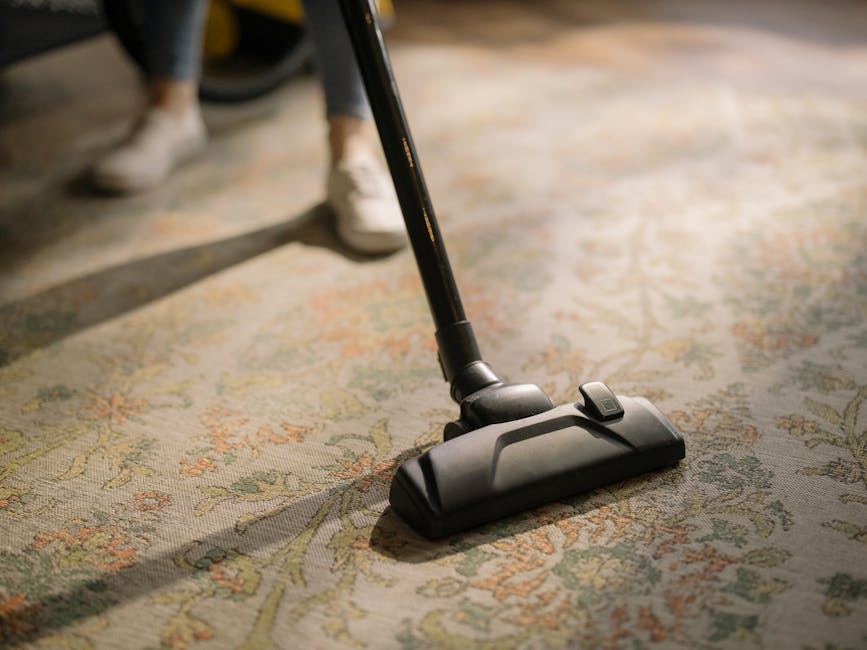
SE11 Studio Cleaning Guide for Kennington Commuters
If you live in a compact SE11 studio and spend your week dashing in and out of Kennington, cleaning can feel like one more thing on an already crowded list. Keys in one hand, travel card in the other, and somehow the kitchen splashback still needs wiping before tomorrow. This SE11 studio cleaning guide for Kennington commuters is built for that exact reality: small-space routines, fast resets, sensible deep-clean habits, and a few local-minded tips to help your home stay calm even when your schedule is anything but.
Truth be told, studio cleaning is not about making a tiny flat look magazine-perfect every day. It is about making it livable, healthy, and easy to reset after a long commute or a late return. That means focusing on the places that build up grime fastest, the shortcuts that actually work, and the tasks that save you time later. If you want a broader sense of how local living patterns shape home care, you may also find local insights on living in Kennington useful, especially if you are settling into the area for the first time.
Below, you will find a practical, no-nonsense guide to keeping a SE11 studio under control without turning your evenings into a cleaning marathon. A small space can get messy fast. It can also get back in shape fast. That is the good news.
Table of Contents
- Why SE11 Studio Cleaning Guide for Kennington Commuters Matters
- How SE11 Studio Cleaning Guide for Kennington Commuters Works
- Key Benefits and Practical Advantages
- Who This Is For and When It Makes Sense
- Step-by-Step Guidance
- Expert Tips for Better Results
- Common Mistakes to Avoid
- Tools, Resources and Recommendations
- Law, Compliance, Standards, or Best Practice
- Options, Methods, or Comparison Table
- Case Study or Real-World Example
- Practical Checklist
- Conclusion
- Frequently Asked Questions
Why SE11 Studio Cleaning Guide for Kennington Commuters Matters
A studio in SE11 works hardest when it stays simple to maintain. That sounds obvious, but commuters often discover the hard way that "I'll do it properly on Sunday" can quickly become "I'll do it next Sunday too." Small spaces do not hide mess for long. One bag left on the floor, one mug in the sink, and the whole room can start feeling smaller, busier, and oddly tiring.
For Kennington commuters, the issue is not just cleanliness. It is time pressure. You are often leaving early, returning late, and living around a schedule that changes with trains, Tube delays, office days, gym nights, and the occasional plan that runs on longer than expected. A good cleaning routine gives you back a bit of breathing room. Less visual clutter. Less dust. Less of that flat-smelling-closed-up feeling when you open the door after work.
There is also a practical side. In a studio, every surface matters because every surface is visible. That means crumbs on a worktop, lint on a sofa, or streaks on a mirror can make the whole place feel off. If the floor space is limited, one dirty area has a bigger effect than it would in a larger flat. So the aim is not perfection. It is control. Calm, manageable control.
For renters in particular, keeping on top of cleaning can reduce stress at check-out time too. If your home doubles as bedroom, lounge, and workspace, a sensible routine now can prevent a chaotic last week later. And if you are between tenancies or moving soon, services like end of tenancy cleaning in Kennington can help when the final push feels too big to handle alone.
How SE11 Studio Cleaning Guide for Kennington Commuters Works
The easiest way to think about studio cleaning is in layers. The first layer is daily reset cleaning, which keeps things functional. The second is weekly maintenance, which handles dust, grease, and laundry buildup. The third is deeper cleaning, which deals with the jobs you cannot reasonably squeeze into a rushed weekday evening.
In a commuter routine, the best system usually follows your natural rhythm. For example, some people do a five-minute reset before leaving in the morning so they come home to a calmer flat. Others prefer a 15-minute reset after dinner, before they collapse on the sofa. Either way works, as long as it is consistent. A tiny habit beats a heroic clean that happens once every three weeks. Every time.
Here is the basic flow:
- Clear visible clutter first. Put things back where they belong before touching cleaning products.
- Work from top to bottom. Dust shelves and surfaces before wiping the floor.
- Focus on high-contact zones. Handles, switches, taps, remote controls, and desk areas collect grime quickly.
- Use the right cleaner for the material. Glass, wood, fabric, and stone all behave differently.
- Finish with the floor. In a studio, the floor often makes the strongest visual impression.
That structure sounds simple because it is simple. The challenge is sticking with it when you are tired. A commuter-friendly plan needs to feel almost automatic. If you have to think too much about what comes next, you are less likely to do it. So create a routine that can run on low battery.
Many people also find it helpful to pair chores with a specific trigger. For instance, wipe the kitchen after making coffee, or do a quick bathroom rinse after your shower. Small links like that make cleaning less like a big job and more like part of the day. Not glamorous, sure. But effective.
Key Benefits and Practical Advantages
A tidy studio offers more than a neat appearance. For Kennington commuters, the benefits are surprisingly broad, and some are very immediate.
- Less mental clutter: A clear room often feels calmer, especially after a long commute or a noisy day in central London.
- Faster morning exits: When everything has a place, you spend less time hunting for keys, shoes, or work items.
- Better sleep environment: Dust, mess, and stale air can make a compact bedroom area feel stuffy.
- Reduced odours: In a small open-plan space, food smells and bin smells travel fast. Clean surfaces help a lot.
- Less wear on furnishings: Regular care helps carpets, upholstery, and soft furnishings stay fresher for longer.
- Fewer panic cleans: A little maintenance now saves the desperate two-hour sprint before visitors or inspections.
There is also the very human benefit of feeling more in control. Coming home to a studio that is visibly clean can take the edge off a stressful day. It is a small thing, but honestly, small things matter when you live in a compact place.
If your flooring is already looking tired from daily foot traffic, especially in the entry route from the door to the bed or desk, a specialist service such as SE11 carpet cleaning can make a noticeable difference to the feel of the whole room. Likewise, if your seating doubles as a nap spot and an evening reading corner, upholstery cleaning in Kennington SE1 may be worth considering.
Who This Is For and When It Makes Sense
This guide is especially useful if you are one of the following:
- A commuter who spends long days away and wants a low-effort cleaning system.
- A first-time renter adjusting to studio living in SE11.
- A busy professional who works hybrid and needs the flat to function as both home and office.
- A tenant preparing for guests, inspections, or a move-out clean.
- Someone who has just downsized and is learning how much less space changes the rules.
It also makes sense if your studio has a few common pressure points: a tiny kitchen, a carpet that traps dust, a bathroom with limited ventilation, or a layout that lets cooking smells drift through the whole place. Studios are efficient in one sense and awkward in another. The upside? You can clean them faster than a larger home, provided you stay ahead of the mess.
When does it become worth calling in help? Usually when the buildup is beyond your normal weekly reset, or when your time is simply better spent elsewhere. Some people only need a one-off deep clean. Others prefer periodic support to keep things under control. If you want the home itself handled more broadly, a service such as house cleaning in SE11 can be a practical fit, even for smaller homes.
And if your working week involves a lot of office time and late returns, you may also be interested in office cleaning for SE11 spaces because the same principle applies: keep the space easy to enter, easy to use, and easy to leave tidy.
Step-by-Step Guidance
Let's get practical. Here is a studio cleaning routine that works well for commuters and does not assume you have endless time.
1. Start with a five-minute reset
Before you deep clean anything, do a quick sweep of visible clutter. Put clothes in the laundry basket. Return charging cables, mugs, and post to where they belong. This step is boring, yes, but it makes every other task easier. If you skip it, you end up cleaning around your own stuff, which is deeply annoying.
2. Handle the kitchen area first
In a studio, the kitchen zone tends to shape the whole room's smell and cleanliness. Wipe worktops, hob edges, handles, and the sink. Empty food waste regularly. Check for hidden spills near the kettle, toaster, or under appliances. A tiny grease mark can become surprisingly stubborn if it is left too long.
3. Refresh the bathroom surfaces
Even a compact bathroom needs proper care. Use a suitable cleaner on the basin, toilet exterior, taps, and shower screen or tiles. If ventilation is weak, dry surfaces after cleaning so moisture does not linger. That damp, slightly closed-in smell? It usually starts with "I'll deal with it later."
4. Dust the right way
Dust on shelves, skirting boards, blinds, and electronics can spread quickly in a small studio. Work from higher surfaces downwards so you are not undoing your own effort. A microfiber cloth is usually best for everyday dusting because it picks up rather than pushes debris around.
5. Tackle the sleeping and seating area
Make the bed properly, shake out throws, and straighten cushions. If your sofa doubles as a work nook or dining spot, it will pick up crumbs and lint fast. A quick vacuum around seams and under cushions can make the room feel fresher almost instantly. Not dramatic. Just better.
6. Finish with the floor
Vacuum or sweep last. In a studio, the floor often acts like the room's memory: it shows where you walk, eat, drop things, and pause between tasks. If your carpet or rug has taken on a dull, lived-in look, a specialist clean may be the better choice. You can read more about carpet cleaning options for Kennington homes if that is becoming a regular issue.
7. Set a closing reset
Before you stop, take one last look from the doorway. Does the room feel calmer? Can you see the surfaces you actually use? That final scan catches the little things: a stray sock, a dirty cup, a bin bag waiting to go out. One quick reset now prevents tomorrow's mess from feeling like a setback.
Expert Tips for Better Results
Here are the little habits that make studio cleaning easier over time. They are not fancy, but they work.
- Use zone cleaning: divide the room into kitchen, sleep, work, and wash zones. It stops tasks from bleeding into one another.
- Keep duplicates of essentials: a cloth under the sink, another near the desk, and maybe a spare bin liner by the door. Sounds small. It saves effort.
- Clean during natural pauses: while the kettle boils, after brushing your teeth, or before your evening show starts.
- Avoid overbuying products: one or two reliable cleaners are usually enough for routine maintenance.
- Protect soft furnishings early: regular vacuuming and spot treatment are easier than rescue cleaning later.
- Think in minutes, not hours: a 10-minute tidy done often beats a big weekend event that you dread.
A useful rule for small spaces is this: if a task can be done in under two minutes, do it now. If it needs more effort, schedule it. That sounds a bit too simple, but the simplicity is the point. Commuter life already makes enough decisions for you.
One more thing. If you share the building with neighbours, be considerate about noise and timings. Vacuuming at awkward hours or leaving waste in the wrong place can create avoidable friction. It is just a nicer way to live, really.
Common Mistakes to Avoid
Small homes create small errors that have big consequences. A few common ones stand out.
- Cleaning only when the mess is visible: by then, grime is usually already settled into corners and fabrics.
- Using too much product: more spray does not always mean more clean. Sometimes it means sticky residue.
- Ignoring airflow: without regular ventilation, even a clean studio can feel stale.
- Letting laundry live in piles: clothes mountains are the enemy of calm in a studio, simple as that.
- Mixing materials carelessly: wood, glass, metal, and fabric need different approaches.
- Putting off deep cleaning jobs: carpets, upholstery, and inside-appliance tasks get harder the longer they wait.
Another mistake? Trying to maintain a studio the same way you would a larger flat. It is a different game. In a studio, every unfinished task stays in sight, which means it keeps asking for your attention. That can feel exhausting if you do not build a routine around it.
If you are getting ready for a move or dealing with a heavily used rental, a more structured approach such as end of tenancy cleaning in SE11 may be the safer option than trying to rush everything at the last moment. Late-night packing and deep scrubbing do not mix especially well. Trust me, nobody enjoys that combo.
Tools, Resources and Recommendations
You do not need a giant cupboard of supplies to keep a studio clean. A compact kit is usually enough, and it is easier to store in a small home.
| Tool or Item | Why It Helps | Best Use |
|---|---|---|
| Microfiber cloths | Lift dust and grime without spreading it | Surfaces, mirrors, shelves, handles |
| Small vacuum or compact cordless cleaner | Quickly handles crumbs, lint, and daily dust | Floors, edges, upholstery seams |
| All-purpose cleaner | Useful for everyday wipe-downs | Kitchen counters, non-porous surfaces |
| Limescale-safe bathroom cleaner | Better suited to taps, sinks, and shower zones | Bathroom maintenance |
| Small basket or caddy | Keeps supplies mobile and tidy | Quick room-to-room cleaning |
| Bin liners and spare cloths | Prevents interruptions mid-clean | Ongoing upkeep |
For areas that see heavier wear, especially floors and soft furnishings, a deeper professional service can be a sensible backup rather than a luxury. If your studio's carpets are holding onto traffic marks or odours, SE11 carpet cleaning support is often the most noticeable upgrade you can make. If fabric seating is the issue, look at local upholstery cleaning as well.
For a wider refresh beyond the studio itself, many commuters also combine routine home care with periodic booking support from house cleaning services in Kennington. It can be the difference between always catching up and actually staying ahead.
There is also a practical side to planning. If you are comparing options or looking for a deal that fits a tight budget, the current promotions page is worth checking before you book anything. Saves a bit of guesswork.
Law, Compliance, Standards, or Best Practice
For most studio cleaning tasks, the main issue is not legal compliance in a formal sense; it is sensible best practice. Still, there are a few UK norms worth keeping in mind. If you rent, your tenancy agreement may set expectations around cleanliness, waste disposal, and end-of-tenancy condition. That is not unusual, and it is best to read the agreement carefully before assuming anything.
From a safety point of view, use cleaning products as directed and avoid mixing chemicals. It sounds basic because it is basic, but people still get caught out by overdoing things in a small bathroom or kitchen. Ventilation matters too. Open a window where possible, especially after using stronger cleaning products or when dealing with damp. In compact flats, air changes quickly, but unpleasant smells can linger just as quickly if you ignore them.
If your studio has carpet, upholstery, or delicate finishes, choose methods that suit the material rather than the other way around. Aggressive scrubbing can damage fibres and finishes, and in a small room that damage stands out immediately. If in doubt, test a cleaner in an inconspicuous spot. A tiny patch test can save a lot of bother.
For shared buildings or managed properties, keep waste storage, bin handling, and corridor behaviour in mind. Those details are not glamorous, but they matter. Good housekeeping in a small London building is partly about respecting the space around you, not just your own four walls.
Options, Methods, or Comparison Table
Not every studio needs the same cleaning method. The right choice depends on how you live, how much time you have, and how much mess is building up. Here is a simple comparison.
| Method | Best For | Pros | Limitations |
|---|---|---|---|
| Daily 5-minute reset | Busy commuters | Quick, low effort, keeps mess from spreading | Will not handle deep grime on its own |
| Weekly maintenance clean | Most studio residents | Balances effort and cleanliness well | Needs consistency |
| Monthly deep clean | Homes with heavy use or limited ventilation | Removes buildup and resets the space properly | Takes longer and can feel like a project |
| Professional clean | End-of-tenancy, busy schedules, stubborn dirt | Thorough and time-saving | Costs more than DIY upkeep |
Which one is best? For many Kennington commuters, the answer is a mix. Daily reset, weekly maintenance, and the occasional professional deep clean. That combination tends to work better than aiming for one all-purpose solution that never quite happens.
Case Study or Real-World Example
Here is a realistic example from the kind of situation many SE11 renters recognise. A commuter living in a studio near Kennington keeps mostly to a hybrid schedule: office two or three days a week, home working on others, late trains now and then, takeaway dinner more often than they would admit. For months, the flat stayed technically "clean enough," but it never quite felt fresh.
The problem was not one big mess. It was the accumulation of little things: dust on the blinds, a faint kitchen smell, a sofa that had started to hold onto daily use, and a carpet path from the door to the desk that looked flatter than the rest of the room. Nothing dramatic. Just enough to make the space feel tired.
The fix was straightforward. They set up a weekday reset: five minutes before bed, no exceptions. They cleaned the kitchen immediately after dinner, vacuumed the floor twice a week, and scheduled a more thorough refresh once a month. The biggest change came from focusing on fabric and flooring, not just visible surfaces. The room suddenly felt brighter, which is a funny thing to say about cleaning, but there it is. Brighter, calmer, easier to live in.
That kind of result is why small-space cleaning matters so much. In a studio, the payoff is often emotional as well as practical. You feel it when you walk in the door.
If you are thinking about the wider local context of living and property upkeep, articles like Kennington property market insights and smart real estate investments in Kennington can also help you understand why well-kept spaces tend to matter so much in this part of London.
Practical Checklist
Use this as a quick commuter-friendly routine. Keep it simple. That is the whole point.
- Empty mugs, dishes, and food wrappers from visible surfaces.
- Wipe kitchen counters and sink after use.
- Check the bin and replace liners before overflow starts.
- Give the bathroom basin, taps, and toilet exterior a quick clean.
- Dust the desk, shelves, and windowsill.
- Vacuum or sweep the main walk-through path.
- Shake out throws and straighten the bed or sofa area.
- Open a window briefly for fresh air if conditions allow.
- Put laundry into a basket rather than leaving it in piles.
- Do one final doorway check before switching off the light.
For a deeper reset, add these jobs once in a while:
- Clean inside the microwave and around appliance edges.
- Vacuum under furniture where possible.
- Wipe skirting boards and door handles.
- Refresh soft furnishings and spot-clean stains early.
- Inspect hidden corners for dust buildup or moisture.
That last list is the one people skip when they are busy. Understandably. But if you ignore those hidden corners too long, they become the jobs you dread later.
Conclusion
A well-kept studio in SE11 does not need to be perfect. It needs to be easy to live in. For Kennington commuters, that means building a cleaning routine around real life: rushed mornings, tired evenings, unpredictable weeks, and the occasional "I'll sort it out tomorrow" moment that slips into the next day.
The best approach is usually a simple one. Reset daily. Maintain weekly. Deep clean when needed. And do not wait for the flat to feel unbearable before you act. A little care goes a long way in a small home, especially when you are relying on that home to give you somewhere calm to land after the commute.
If you want a fresher, more manageable studio without spending your whole weekend on it, a good plan is half the battle. The other half is just starting. One cloth, one room, one small win at a time.
Get a free quote today and see how much you can save.
Frequently Asked Questions
How often should a SE11 studio be cleaned?
For most commuters, a light daily reset plus a weekly clean is enough to keep a studio under control. Deeper tasks, like carpet or upholstery care, can be done less often depending on use.
What is the fastest way to clean a studio after commuting home?
Start with clutter, then wipe the kitchen and bathroom touchpoints, and finish by vacuuming the main floor path. If you only have ten minutes, focus on the areas you see first when you walk in.
Should I clean before or after unpacking my work bag and shoes?
Usually before. Dropping bags and shoes in a designated spot is fine, but keeping the entry area tidy makes the rest of the clean easier and stops mess from spreading through the room.
What areas get dirtiest fastest in a studio?
The kitchen worktops, sink, bathroom taps, floor path, desk area, and any soft furnishings that you use daily tend to collect the most dirt and dust.
Is professional cleaning worth it for a small studio?
Yes, especially if you are short on time, dealing with stubborn dirt, or preparing for a move. In a small space, a thorough professional clean can make a very noticeable difference.
Can I keep a studio clean with just a few tools?
Absolutely. A microfiber cloth, compact vacuum, all-purpose cleaner, bathroom cleaner, and a few bin liners are enough for most routine upkeep.
How do I stop my studio from smelling stale?
Regular waste removal, kitchen wipe-downs, clean fabrics, and brief ventilation all help. In compact homes, smells build quickly, so small habits make a big difference.
What should I clean first in a studio?
Start with clutter removal, then move to the kitchen and bathroom, followed by dusting and flooring. That order keeps you from cleaning the same area twice.
Do carpet and upholstery really matter in a small flat?
They matter a lot. In a studio, soft furnishings and flooring take up a large part of the visible space, so dust and stains affect the whole atmosphere of the room.
How can I keep cleaning manageable with a busy commute?
Use short habits tied to daily routines: wipe after cooking, tidy before bed, vacuum on set days, and do one small task whenever you have a spare few minutes. Tiny wins, repeated often, are usually enough.
What if I need a deeper clean before moving out?
That is the time to consider a more structured approach, such as a full end-of-tenancy clean. It reduces stress and helps make sure the flat is presented properly at the end of your tenancy.
Where can I find more local cleaning and home-care information?
It can be helpful to browse nearby guidance such as discovering Kennington as a picturesque suburb and the wider Kennington cleaners blog for local context, home-care ideas, and practical area-specific reading.
What is the single biggest mistake commuters make with studio cleaning?
Waiting too long between resets. In a studio, mess shows quickly and snowballs faster than people expect, so regular light cleaning is usually more effective than rare big cleans.